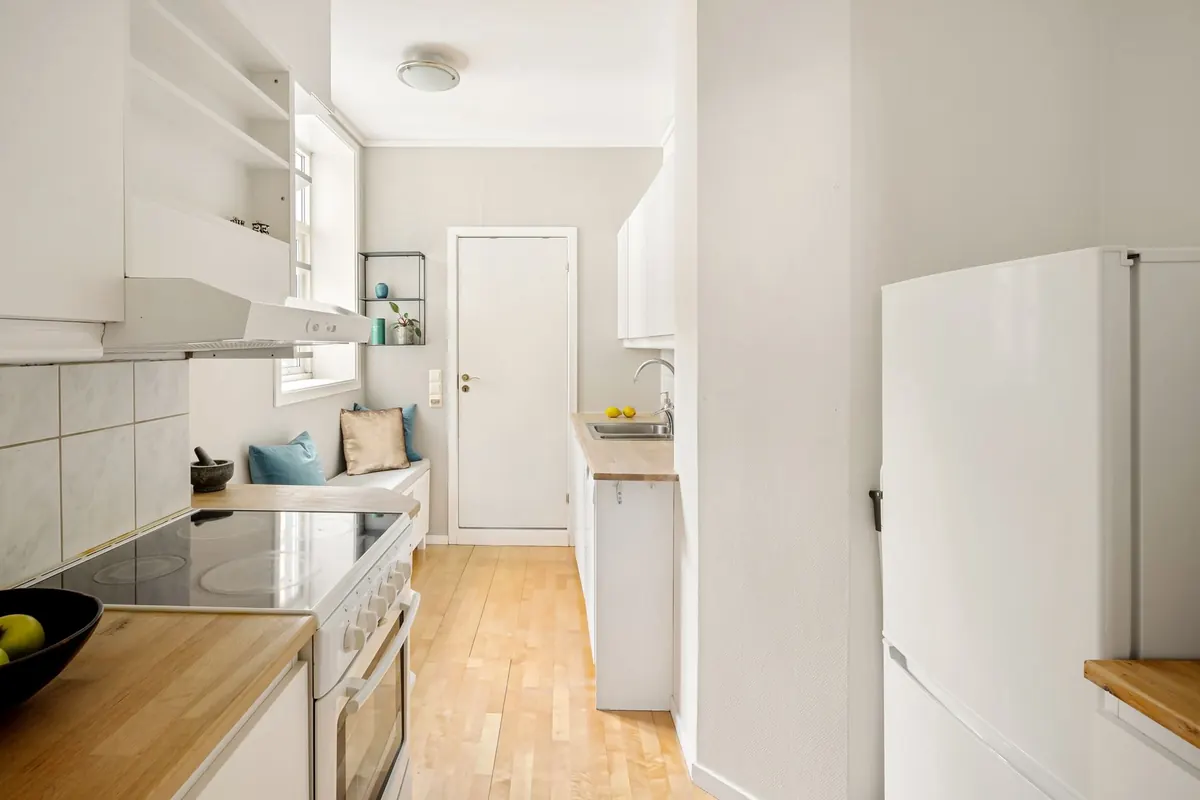
Renter-Friendly Kitchen Upgrades You Can Undo in One Weekend
October 10, 2026 - Home

October 10, 2026 - Home

October 04, 2026 - Food

October 01, 2026 - Travel
A balcony is one of the easiest places to ignore. It is small, it is often bare, and it usually ends up holding a drying rack and a bag of potting soil you never opened. But a balcony is also the only outdoor space some of us have, and it does not take much to make it somewhere you actually want to sit. Two comfortable chairs, a few plants that survive, a light you can switch on after dark. That is the whole goal.
You do not need a contractor, a designer, or a truckload of furniture. You need a tape measure, a weekend, and a plan for $200. Here is how to spend it well.
Most budget balcony projects fail on one forgotten number: depth. A balcony that is 90 cm deep will take a slim folding bistro set and nothing more. At 1.2 metres you can fit a small bench and a stool. Before you look at a single product, write down four things: the full length of the balcony, the depth from wall to railing, the railing height, and how far your door swings outward. That last number saves more returns than any other.
Then note where the sun lands and when. Stand out there at 9am and again at 4pm. A balcony facing east gets gentle morning light; a west-facing one bakes in the afternoon. This single observation decides which plants will live and which will quietly die, so do it before you buy anything green.
Two practical checks before shopping. First, your building rules: many rentals and strata agreements restrict drilling into railings, hanging planters outside the rail, or using the balcony for storage. Second, weight. Pots full of wet soil are heavier than they look, and tile or heavy decking adds up fast. If your balcony is cantilevered and feels flexible underfoot, keep planters modest and spread them out.
Split the money roughly like this, and adjust for what you already own. Prices vary widely by city and season, so treat these as proportions rather than fixed figures.
Check secondhand listings and end-of-season garden sales first. Balcony furniture is exactly the kind of thing people buy optimistically in spring and sell cheaply by August.
Resist the urge to seat four people. On a small balcony, two good seats beat four cramped ones, and a clear walkway matters more than an extra chair. A folding bistro set is the classic answer: light, movable, and storable when winter comes. Two stacking chairs with a small stool between them works just as well, and the stool doubles as a side table for a mug and a book.
If you are handy, a bench built from two crates, a length of timber, and an outdoor cushion costs very little and gives you storage underneath for a watering can, gloves and a folded blanket. Keep cushions inside when you are not using them; outdoor fabric fades and grows damp, and dry cushions are the difference between a seat you use and one you avoid.
Under a metre of depth means no table and no bench. Go with one folding chair, one stool, and a fold-down shelf fixed to the wall (if your lease allows) for a drink. Lean the plants against the sides and keep the middle empty. The space will read as intentional rather than crowded.
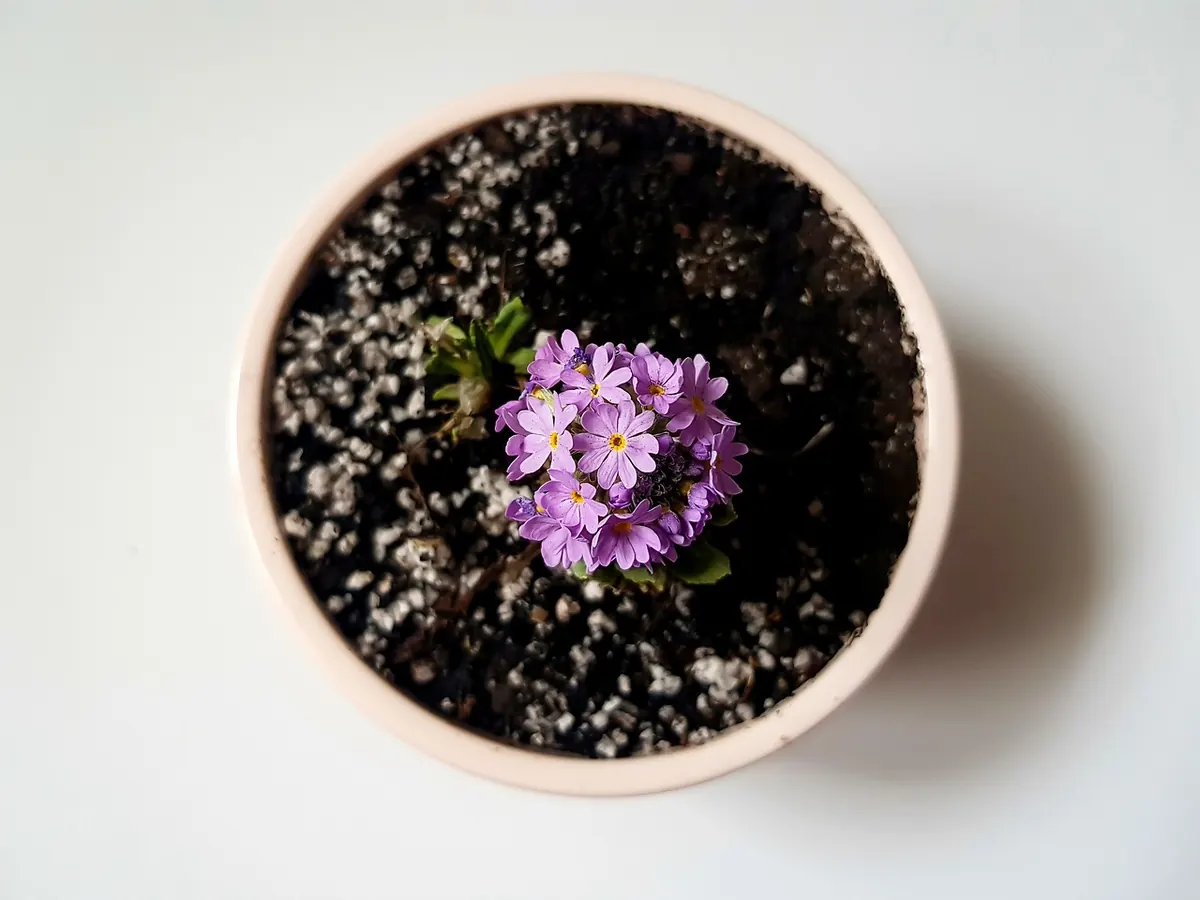
Tiny pots are a trap. They dry out in a day and never look like much. Buy three to five plants in medium pots instead of a dozen in small ones, and group them together so they shade each other's soil and hold moisture longer. One taller plant gives your eye somewhere to go; trailing plants soften the railing; a couple of leafy mid-size pots fill the gaps.
Match the plant to your light. With several hours of direct sun, herbs like basil, rosemary and mint thrive, along with geraniums and petunias. With only bright shade, choose pothos, snake plant, spider plant, or ferns. A cherry tomato needs real sun and a generous pot; skip it if your balcony faces north.
A few things worth remembering: always use pots with drainage holes, always use potting mix rather than garden soil, and empty the saucers so roots are not sitting in water. Overwatering kills more balcony plants than drought does.
Bare concrete is the reason a balcony feels unfinished. An outdoor rug or a set of interlocking deck tiles solves it cheaply, as long as you leave the drain clear and can lift them to sweep underneath. Avoid anything that traps water against the surface for months.
For light, solar stake lights or a battery-powered lantern are the safest bets. A string of low-voltage LED lights works well if you have an outdoor socket; if you do not, do not run an indoor extension cord outside permanently. Small touches finish the space: a hook for your watering can, a doormat, a candle in a glass jar.
Ten minutes a week is enough to keep this going. Water when the top of the soil is dry, pinch off spent flowers, wipe the table, and bring cushions in when rain is forecast. Once a month, check the drain is clear and that nothing has worked loose.
Safety is part of upkeep, not a separate job. Secure pots so they cannot blow off in a storm, never let anything hang where it could fall on someone below, and keep the doorway clear. On many buildings an external staircase or fire escape doubles as a balcony, and it has to stay usable in an emergency. If your lease or building rules are unclear about what you can fix to the walls or railing, ask before you drill.
Come winter, move pots against the wall, cover what needs covering, and store the soft furnishings indoors. Everything you bought can come back out in spring, which is the real test of a $200 makeover. If it survives the year, it was money well spent.
Photo: ViktoriyaPavlova / Pixabay
A practical guide to renter-friendly kitchen upgrades — peel-and-stick tile, plug-in lighting, freestanding storage...

A practical starter plan for strength training after 50: the key movement patterns, what equipment you actually...
October 10, 2026 - Home
October 04, 2026 - Food
Copyright © 2026 Lifestyle Vale. All Right Reserved.