Renter-Friendly Kitchen Upgrades You Can Undo in One Weekend
October 10, 2026 - Home

October 10, 2026 - Home

October 04, 2026 - Food

October 01, 2026 - Travel
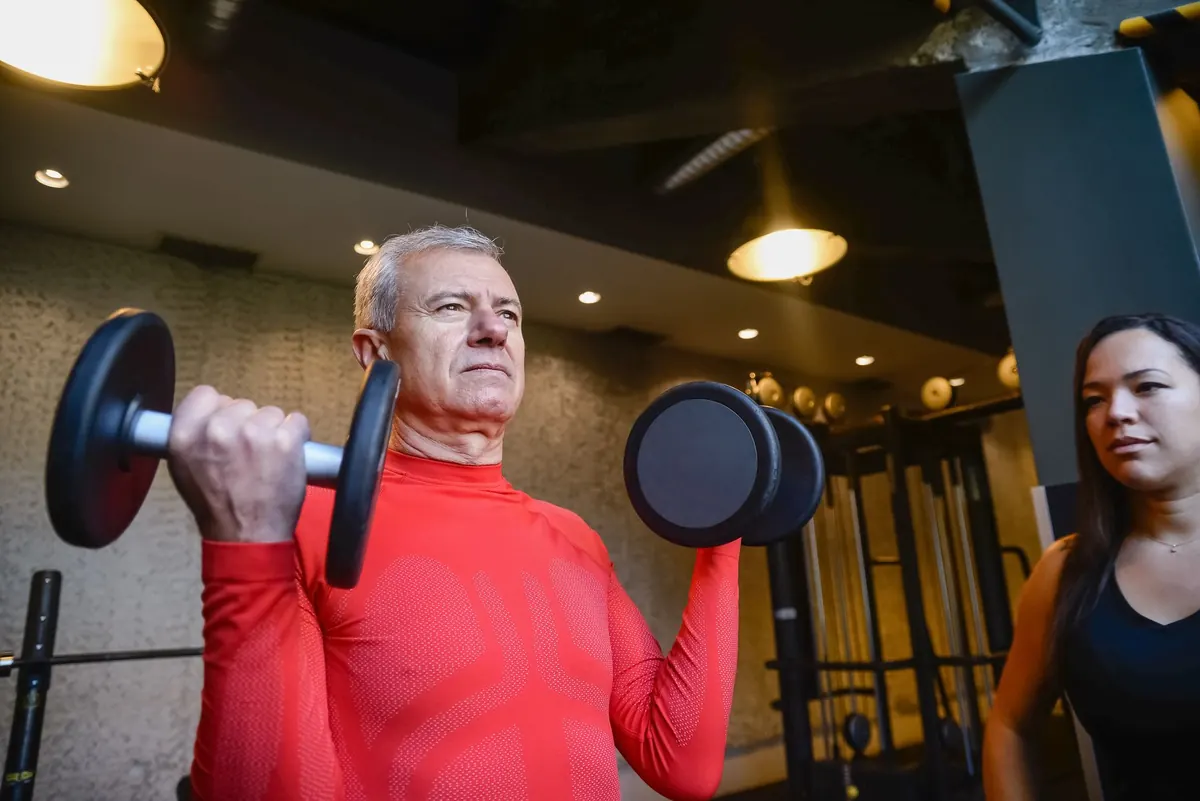
Pick up a grandchild without wincing. Carry two bags of groceries up a flight of stairs. Stand up off the floor with one hand free. Those are the real tests of strength after 50, and they are the reason to start lifting — not the number on a barbell.
The encouraging part is that muscle responds to training at any age. You don't need a gym membership, a coach, or a complicated program to begin. You need a handful of movements, a couple of light weights, and the patience to make the first month fairly boring. Here's how to start safely.
Muscle mass and bone density both tend to decline with age, and the drop-off is steeper for women after menopause. Resistance training — any training where muscles work against a load — is one of the more reliable ways to slow that down. It also builds balance and joint stability, which matter more than appearance once a fall becomes a serious event.
What you are really building is reserve. A stronger body handles a stumble, a heavy suitcase, a week of poor sleep, a bout of illness. The work you do now is insurance for the day you need that reserve.
A conversation with your doctor is worth having if you have heart disease, uncontrolled blood pressure, a recent surgery, a joint replacement, osteoporosis, or a history of falls. Be specific about your plans: "I want to lift light weights twice a week and carry dumbbells up the stairs" gets you better guidance than "is exercise okay?"
If you are recovering from an injury or your balance is shaky, one or two sessions with a physical therapist is money well spent. They can screen your movement and tell you which exercises to skip, which is far more useful than a generic list of things to avoid.
Almost every useful exercise is a variation on five patterns. Learn them with your bodyweight, a chair, or one light dumbbell, and you will have enough to train for years.
Two details do more for your form than anything else. Breathe — exhale as you push or stand rather than holding your breath through the whole set. And earn each rep. If your back rounds or your knees cave on rep seven, stop at six and add a rep next week.
You do not need a rack, a bench, and a full set of plates. Start with:
Used dumbbells are widely available and rarely worn out. If you would rather train at a gym, look for adjustable dumbbells, a quiet corner, and staff who don't mind answering questions. A single session with a trainer to check your squat and hinge is also a reasonable investment.
After 50, recovery takes longer and matters more. Beginners often feel fine during the workout, ache for three days afterward, and conclude they need to train harder. They usually need to train less and sleep more.
Two sessions a week, 20 to 30 minutes each, is plenty for the first month. Give the same muscles at least 48 hours between sessions. Eat protein with each meal, drink water, and treat sleep as a training variable rather than a luxury.
Learn the difference between soreness and pain. Soreness is a dull, spread-out ache that shows up a day later and eases as you move. Pain is sharp, local, or one-sided, and it does not belong in a beginner's workout. Stop, rest, and have it looked at if it lingers.
Repeat this twice a week with at least two days in between. Warm up first with five minutes of walking and a few arm circles.
Keep the weight light enough that you could do three or four more reps than you actually do. In week three, add a set to the squats and rows. In week four, add a small amount of weight — the lightest plate or the next dumbbell up.
Consistency beats intensity every time. Put your two sessions on the calendar like appointments. Write down what you lifted so you aren't guessing next week. Keep the sessions short enough that you never dread them.
Progress after 50 looks unglamorous: one more rep, five more pounds, a slightly deeper squat, standing up from the floor without a hand. Those add up. Give it three months before you judge it, and check in with a doctor or physical therapist if something hurts in a way that doesn't settle. Strength is a long game, and starting late is still starting.
Photo: Kampus Production / Pexels
A practical guide to renter-friendly kitchen upgrades — peel-and-stick tile, plug-in lighting, freestanding storage...
A practical early-fall produce guide: what to buy now, how to store each item, and how to cook it before it slips.
October 10, 2026 - Home
October 04, 2026 - Food
Copyright © 2026 Lifestyle Vale. All Right Reserved.