Renter-Friendly Kitchen Upgrades You Can Undo in One Weekend
October 10, 2026 - Home

October 10, 2026 - Home
October 04, 2026 - Food

October 01, 2026 - Travel

Linen is the coolest fabric you can wear in July and the one most likely to look defeated by it. That is less a flaw than a fact about flax: the fibers have very little elasticity, so they fold instead of springing back, and humid air softens them until every crease relaxes into a soft fold. You cannot iron your way out of that at eight in the morning. What you can do is choose linen that folds well, wear it loose in the right places, and treat the creases as part of the look.
Creases collect where fabric is under tension: tight across the chest and shoulders, bunched at a waistband, crushed behind the knee, crumpled at the inside of the elbow. Loosen those pressure points and the same fabric falls into wide, soft folds that read as drape. That is the difference between linen that looks relaxed and linen that looks slept in — not the number of wrinkles, but their shape and where they sit.
Humidity also undoes any pressing you do. A shirt that leaves the iron crisp will soften within an hour of wearing it outdoors. So plan for the wrinkled version of the garment, not the one on the hanger.
Consider a linen camp shirt worn untucked over a cotton tank. The creases that form across the back and sleeves will be long and flowing, because nothing is pulling the fabric tight. The same shirt tucked into a snug pair of shorts will bunch at the waist and look messy by noon. The fabric has not changed; the tension has.
Medium-weight linen — the range between a good bedsheet and a tea towel — is the sweet spot for shirts and summer trousers. It drapes instead of clinging, and it creases in long, clean lines. Very light linen feels wonderful for about twenty minutes, then crumples into a paper map. Heavy linen belongs in trousers, wide-leg shorts and structured pieces, where big folds look deliberate.
Look for labels that say “washed” or “garment-dyed.” These linens have already been tumbled and softened, so they arrive with a lived-in texture and crease more gently than crisp, loom-state fabric. A plain weave is the most versatile; a herringbone or basket weave adds visual interest that distracts from folds.
Pure linen breathes best and wrinkles most. A linen-cotton blend holds a press noticeably longer while staying airy; a little viscose, lyocell or Tencel adds drape and softens the crease pattern. Linen with silk is the dressiest choice for evenings. Watch for high polyester content: it resists wrinkles, but it also traps heat, which defeats the reason you reached for linen.
An 80/20 linen-cotton blend is a good starter if you are nervous about wrinkles. It feels almost as cool as pure linen but keeps a cleaner line through a long dinner. A linen-rayon blend, often sold as “linen blend,” hangs heavier and is excellent for wide-legged pants.
Slubby weaves, melange yarns and stripes break up crease shadows. Mid-tones — sand, sage, faded blue, washed terracotta, off-white — hide the most. Solid black and deep navy show every fold, though in a loose, minimal cut that can look intentional rather than messy.
If you love white linen, choose a thicker weight with a visible texture. Thin white linen is the most unforgiving combination: every shadow reads as a wrinkle, and humidity makes it cling.
Slim linen fights your body and loses. Oversized linen flaps and tents. Aim instead for a shirt whose shoulder seam sits on your shoulder, sleeves that end at the wrist bone, and a body that skims roughly a hand's width away from your torso. Trousers should sit at the waist without cutting in and fall straight from the hip.
Then use two small habits. A front tuck — in at the center, loose at the back and sides — defines your waist and lets the rest of the shirt hang in clean folds. And roll sleeves to just above the elbow rather than pushing them up to the bicep; the tighter the bunch, the sharper the wrinkles.
For trousers, choose a flat front and a relaxed leg. Pleats can be elegant in heavy linen, but in humid weather they add bulk and create extra crease lines at the crotch. A drawstring waist is comfortable, but it bunches fabric; a simple side adjuster or a belt worn slightly loose works better.
Linen improves with washing. Each cycle softens the fiber and adds drape, so the shirt you have worn for two summers often looks better than the one you just bought. A few habits keep it that way:
Once you accept that linen will fold, you can make those folds work for you. The goal is to look intentionally relaxed, not rumpled. That means balancing loose linen with a few crisp elements.
Pair a wrinkled linen shirt with smooth cotton chinos or a crisp denim skirt. The contrast makes the linen look deliberate. Add a leather belt, a structured straw bag, or clean leather sandals. These accessories are firm and uncreased, so they anchor the softness of the fabric.
Layer linen over silk or fine cotton. A linen blazer over a silk camisole gives you the breathability of flax with a smooth line at the neckline and underarms, where creases are least attractive. For evening, a long linen dress with a silk scarf and metallic sandals reads as elegant, not messy.
Rule of thumb: if everything you are wearing is wrinkled, you look slept in. If only the linen is wrinkled, you look like you know how to dress for summer.
Linen is a great traveler because it washes easily and dries fast, but it hates being folded into a tight suitcase. A few tricks keep it presentable on arrival.
Wear your heaviest linen piece on the plane or in the car. It is the one garment that will not be crushed in a bag, and it doubles as a blanket if the air conditioning is aggressive.
Not all wrinkles are equal. Creases at the elbow, across the lap, and along the hem are natural and generally flattering. Sharp creases down the front of a shirt, deep folds at the waistband, or a crumpled collar look sloppy. Steam those specific areas before you leave the house. A handheld steamer is faster than an iron and less likely to flatten the fabric’s texture.
If you are going to a casual lunch, a few folds are fine. If you are giving a presentation, steam the collar, placket, and sleeves. The rest can relax. The point is not to look ironed; it is to look composed.
Photo: Couleur / Pixabay
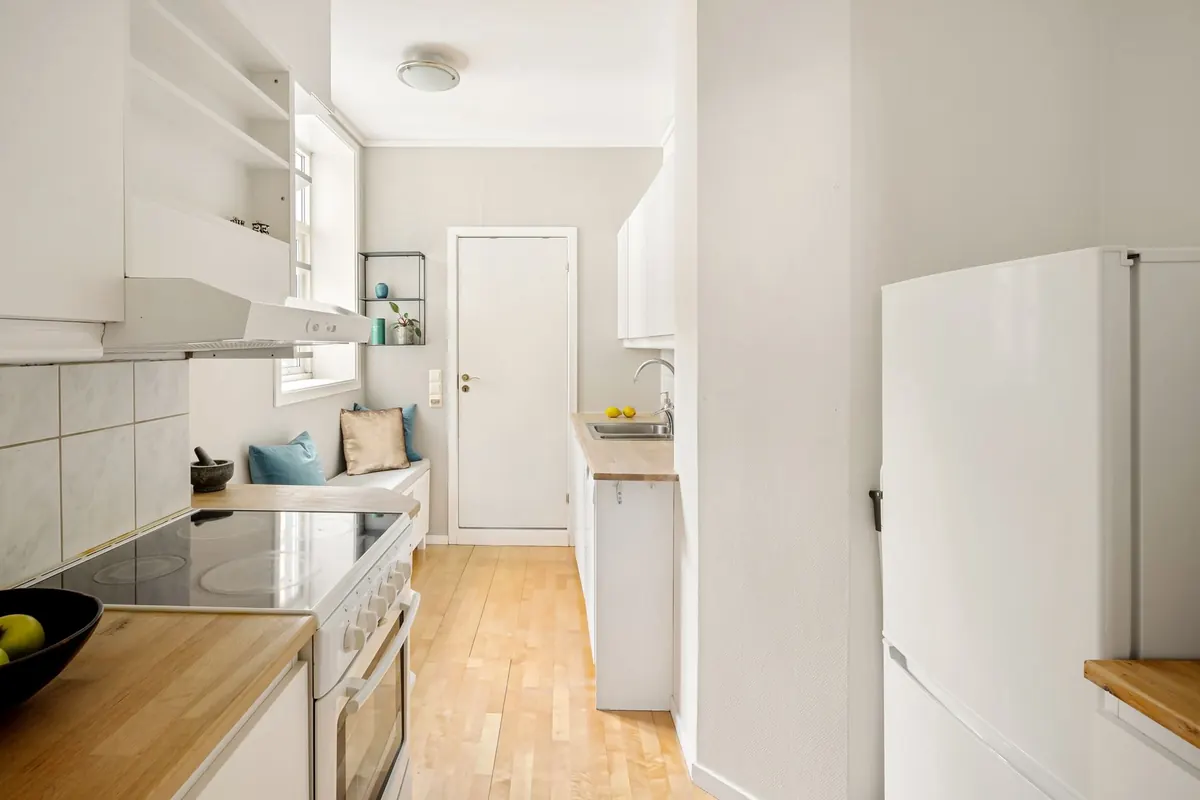
A practical guide to renter-friendly kitchen upgrades — peel-and-stick tile, plug-in lighting, freestanding storage...
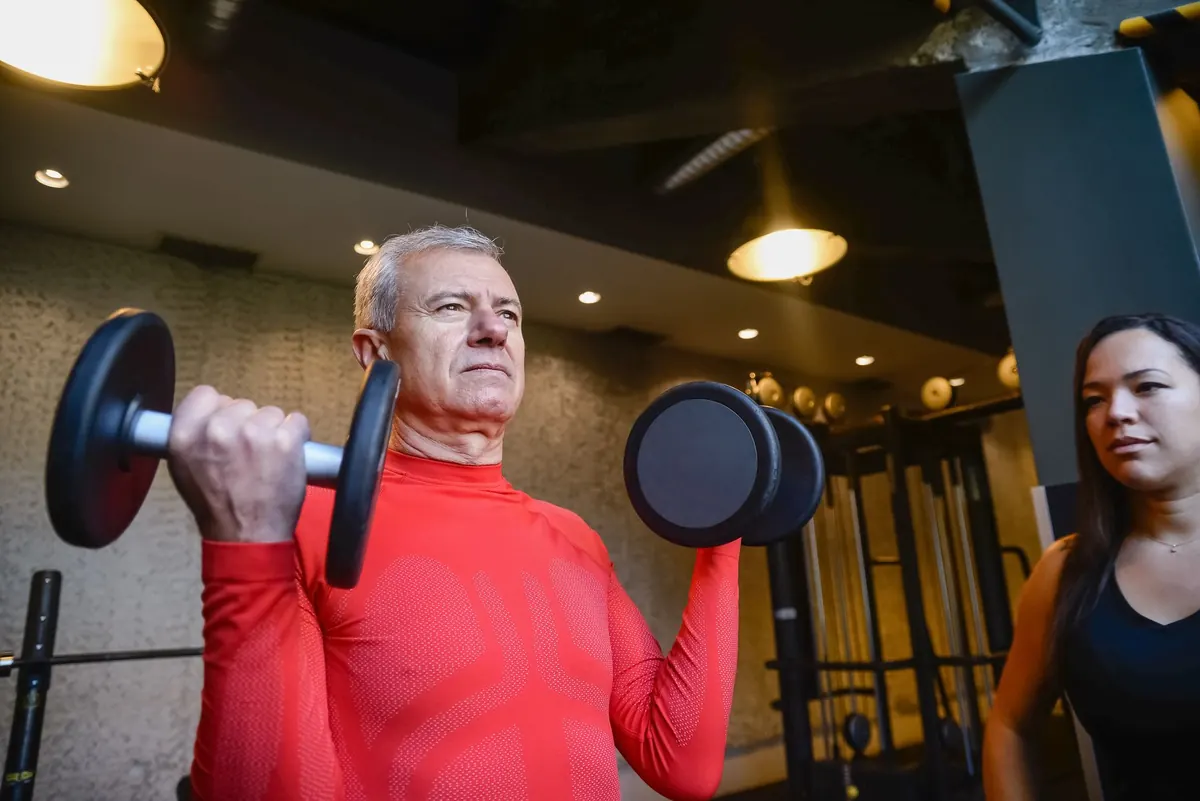
A practical starter plan for strength training after 50: the key movement patterns, what equipment you actually...
October 10, 2026 - Home
October 04, 2026 - Food
Copyright © 2026 Lifestyle Vale. All Right Reserved.